
News
How Princess Diana predicted her own death


Diana told a journalist she would die in a car crash — arranged to look like an accident. The interview was published weeks before she died.
In the summer of 1997, Diana gave an interview to Annick Cojean, a journalist from the French newspaper Le Monde. The interview was conducted in London and published in France in August 1997 — within weeks of Diana’s death in Paris.
In the interview, Diana said that there were powerful forces around her that wanted to destroy her. She described a sense of being surveilled, of being undermined, of being targeted by elements she did not name specifically but whose nature she implied clearly. She said she expected to be gotten rid of, and that the method would be a car crash — arranged to look like an accident.
The precision of this statement — predicting a car crash, made to look like an accident, exactly what happened eight weeks later — has fueled decades of discussion and speculation. It is cited in countless books, documentaries, and articles as a striking example of foresight or premonition, suggesting that Diana either possessed insider knowledge, feared specific threats, or was expressing an acute awareness of the dangers surrounding her.
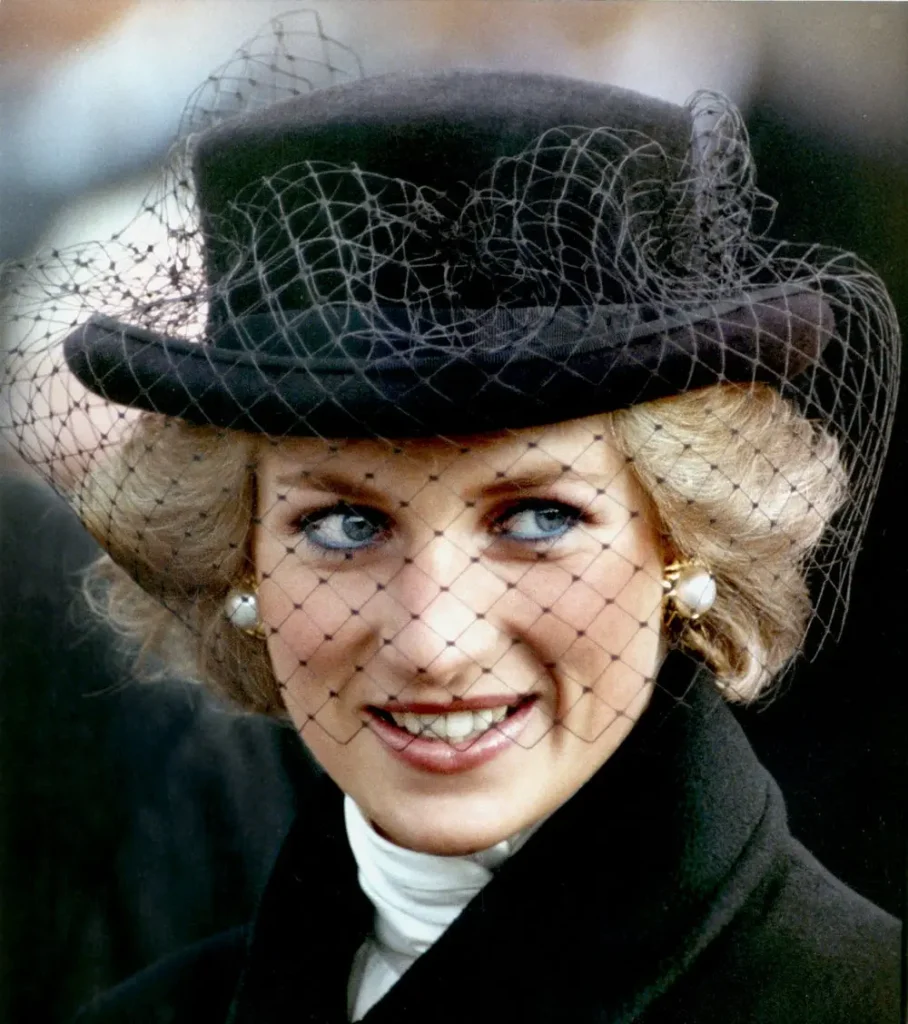
The counter-argument is equally straightforward: Diana had been expressing similar fears for years. Friends, confidants, and staff recalled her repeatedly voicing concerns about being targeted, manipulated, or harmed by powerful institutions. In one particularly notable instance, she wrote a letter to her butler Paul Burrell — later made public in 2003 — in which she suggested she feared her car’s brakes could be tampered with. That letter, written ten months before her death, reinforces the idea that Diana lived under persistent anxiety about her safety, heightened by years of intense media scrutiny and personal conflicts.
Whether these statements were prophetic, based on genuine intelligence, or the manifestation of profound psychological stress is impossible to determine definitively. What is clear is that Diana was acutely aware of the threats surrounding her, and her fears were neither random nor unfounded in her lived experience. She had spent years under surveillance — documented operations conducted by British intelligence among others — and had navigated complex relationships with individuals whose loyalty was not guaranteed. In this context, her warnings carry the weight of lived experience, even if they do not constitute evidence of a planned plot.
Eight weeks later, Diana was killed in a car crash in the Pont de l’Alma tunnel in Paris. The circumstances of the crash — high speed, paparazzi pursuit, and a driver under the influence — have been examined extensively. French and British investigations, including Operation Paget led by Lord Stevens, found no credible evidence of a deliberate plot to kill her. Yet the juxtaposition of her warning with the actual events remains haunting, a focal point for conspiracy theories that persist to this day.
The absence of evidence, as investigators frequently point out, is not the same as evidence of absence. This distinction keeps the theories alive, perpetuating the debate over what Diana knew, what she feared, and what might have been hidden beneath the surface of official narratives. Her words to Annick Cojean remain a chilling reminder of a life lived under extraordinary pressures and the uncertainty of whether fate, fear, or circumstance shaped the tragic outcome.


El príncipe William comparte una emotiva actualización sobre la recuperación de Kate Middleton: “Nuestra familia no podría salir adelante sin ella”

El rey Felipe habla por primera vez de uno de los talentos desconocidos de la princesa Leonor: “¿Sabes que a ella también le gusta mucho?”

The truth about Selena And Benny’s divorce rumors

Princess Diana’s surprising prediction about Camilla comes true as Queen earns ‘widespread approval’

Why there’s ‘tension’ between Kate Middleton’s parents and Charles and Camilla
